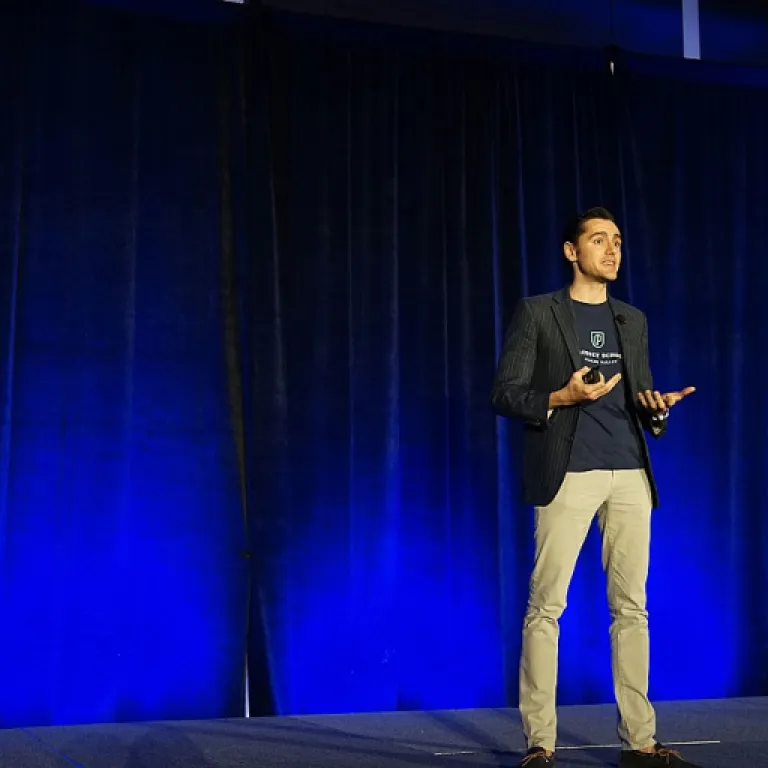
Psychotherapy networker symposium 2025 as a B2B benchmark for mental health events
The psychotherapy networker symposium 2025 has become a pivotal B2B platform for therapists and mental health organizations seeking strategic insight. Hosted in Washington, D.C., the networker symposium gathered more than 5 000 therapists, clinical leaders, and therapist author speakers, creating a dense ecosystem of relationships and business opportunities. For any therapist or therapy practice evaluating event investments, this symposium now functions as a reference point for capacity building and clinical innovation.
From a business perspective, the hybrid format of the psychotherapy networker symposium 2025 illustrates how mental health conferences can scale reach without diluting therapeutic depth. In person and online attendees accessed over 70 expert therapists and trauma expert faculty, many of them a bestselling author or therapist author with established authority in trauma treatment and couples therapy. This dual channel model matters for B2B stakeholders because it expands the pool of potential clients, partners, and sponsors while maintaining rigorous clinical standards.
Sessions at the networker symposium emphasized integrative therapy techniques, which is strategically relevant for group practices and hospital systems. Workshops on trauma, attachment theory, and polyvagal theory showed how internal family and family systems models can be translated into scalable clinical protocols. For B2B buyers evaluating training budgets, the ability to align trauma treatment, somatic experiencing, and other therapeutic approaches under one program significantly improves the ROI of continuing education.
Crucially, the psychotherapy networker symposium 2025 also functions as a marketplace of ideas where therapists read, test, and refine new therapy techniques before integrating them into daily work. This dynamic supports long term healing outcomes for clients and couples, while strengthening the competitive positioning of practices that adopt evidence based models early. For mental health organizations navigating a crowded events calendar, the symposium’s blend of clinical depth and B2B relevance is increasingly difficult to ignore.
Hybrid formats, CE credits, and sponsorship models in the psychotherapy networker symposium 2025
The psychotherapy networker symposium 2025 demonstrates how hybrid formats can reshape B2B economics in mental health events. By offering both in person and online access, organizers expanded the capacity of the networker symposium without sacrificing intimacy in clinical workshops. This approach allowed therapists, couples therapist specialists, and trauma expert presenters to reach global audiences while preserving meaningful interaction with individual clients focused sessions.
For professional buyers, one of the strongest business arguments for the psychotherapy networker symposium 2025 is the volume of continuing education hours. Attendees could earn a full year of CE credits, which directly supports compliance, staff retention, and the perceived value of employment in therapy practices. When a single event consolidates trauma treatment, attachment theory, and somatic experiencing content, training managers can rationalize travel and registration budgets more easily.
Hybrid delivery also opens new sponsorship and partnership models that B2B marketers should not overlook. Mental health publishers, digital therapy platforms, and clinical software vendors can align their brands with high trust content, especially when a bestselling author or therapist author presents. For organizations designing sponsorship packages, resources on how sponsorship packages elevate mission driven events offer transferable lessons for mental health conferences.
Within this structure, the psychotherapy networker symposium 2025 becomes more than a training event ; it is a strategic hub. Therapists and therapists in leadership roles can benchmark their own practice models against peers who integrate internal family and family systems approaches. As they read conference materials and apply new therapy techniques, they strengthen both clinical outcomes and the commercial resilience of their organizations. For B2B decision makers, this alignment of therapeutic integrity and business logic is increasingly essential.
Integrative clinical content as a growth engine for therapy practices
One defining feature of the psychotherapy networker symposium 2025 is its emphasis on integrative clinical content. Rather than isolating trauma, couples work, or attachment theory into silos, the networker symposium curates sessions that connect these domains into coherent therapeutic strategies. This integrative stance is particularly valuable for group practices that must serve diverse clients while maintaining consistent standards of care.
Workshops on trauma treatment, somatic experiencing, and polyvagal theory illustrate how therapists can translate neuroscience into practical techniques. When a trauma expert explains how nervous system regulation supports healing in couples and families, the content becomes directly applicable to daily therapy work. For B2B leaders, this means training investments at the psychotherapy networker symposium 2025 can quickly influence measurable outcomes such as client retention and satisfaction.
Integrative approaches also strengthen the positioning of a couples therapist or trauma specialist within competitive local markets. By combining internal family and family systems models with attachment theory, therapists can address complex relationships dynamics that standard therapy might miss. Strategic insights on maximizing business impact through event sponsorship show how such differentiated expertise can be highlighted in conference marketing and post event campaigns.
For mental health organizations, the psychotherapy networker symposium 2025 offers a structured environment to test these integrative models before rolling them out across a practice. Clinical directors can read session materials, evaluate therapy techniques, and decide which parts align with their therapeutic philosophy. When therapists return with new skills in trauma treatment, somatic experiencing, and couples work, they enhance both the healing capacity of the practice and its reputation among clients. This feedback loop between clinical innovation and business growth is central to the symposium’s B2B relevance.
Thought leadership, bestselling authors, and the authority economy of psychotherapy events
The psychotherapy networker symposium 2025 operates within what can be called the authority economy of mental health events. Attendees are not only seeking CE credits ; they are also calibrating whose voice, which therapist author, and what trauma expert will shape the next phase of their therapeutic practice. In this context, the presence of figures such as Bessel van der Kolk, often referenced as van der Kolk or der Kolk, carries significant weight for both clinical and commercial decision making.
Similarly, the participation of Janina Fisher, Lisa Ferentz, Kenneth Hardy, and other recognized leaders in trauma treatment and attachment theory reinforces the symposium’s status. Each bestselling author or therapist author brings a body of work that therapists have already read, tested, and integrated into therapy with clients and couples. When these experts present at the networker symposium, they effectively validate the event as a trusted node in the global mental health ecosystem.
For B2B stakeholders, this concentration of authority has direct implications. Training directors, hospital administrators, and group practice owners can justify sending therapists to the psychotherapy networker symposium 2025 because the faculty list aligns with established evidence based models. Resources on how event content shapes broader B2B strategy highlight how such authority clusters influence long term partnerships and sponsorships.
Thought leadership at the symposium also shapes how internal family and family systems approaches are communicated to the wider public. When therapists read new material on polyvagal theory, somatic experiencing, or trauma treatment from a trusted trauma expert, they are more likely to adapt their therapeutic techniques. This, in turn, affects how clients experience therapy, how couples navigate relationships, and how practices articulate their healing mission. In the authority economy, the psychotherapy networker symposium 2025 functions as both a clinical compass and a B2B signal of quality.
IFS, internal family systems, and the business case for depth oriented models
Among the most influential frameworks highlighted at the psychotherapy networker symposium 2025 is Internal Family Systems, often abbreviated as IFS. This internal family and family systems model views the mind as composed of multiple parts, each with its own perspective, emotion, and protective strategy. For therapists and therapists in leadership roles, the growing prominence of IFS at the networker symposium signals a broader shift toward depth oriented, parts informed therapy.
From a B2B standpoint, the adoption of IFS and related internal family approaches has several implications. First, it requires structured training pathways so that therapists can safely navigate trauma, attachment injuries, and complex relationships dynamics. When practices send clinicians to the psychotherapy networker symposium 2025 to study IFS, they are investing in a therapeutic language that can unify teams and improve consistency across sessions with clients and couples.
Second, IFS and similar family systems models can differentiate a practice in a crowded mental health marketplace. Marketing materials that explain how therapists work with parts, integrate attachment theory, and apply polyvagal theory or somatic experiencing often resonate with trauma informed clients. As therapists read more IFS literature and apply these therapy techniques, they can position their practice as a destination for deep healing rather than short term symptom management.
Finally, the business case for IFS at the psychotherapy networker symposium 2025 rests on outcomes. When trauma treatment incorporates parts work, somatic experiencing, and nervous system regulation, clients frequently report stronger relationships and more sustainable healing. This enhances word of mouth referrals, supports premium pricing for specialized services, and justifies ongoing investment in advanced training. For B2B decision makers, depth oriented models like IFS are no longer niche ; they are becoming central to competitive strategy in mental health services.
Equity, attachment, and the evolving B2B landscape of mental health events
The psychotherapy networker symposium 2025 also reflects a growing commitment to equity, cultural responsiveness, and relational ethics in mental health. Experts such as Kenneth Hardy bring a critical lens to how trauma, attachment theory, and family systems intersect with race, power, and social context. For B2B organizers and sponsors, this emphasis is not only ethically necessary ; it is increasingly a baseline expectation from therapists and clients.
Sessions that integrate trauma treatment, attachment theory, and somatic experiencing within diverse communities help therapists expand their therapeutic capacity. When clinicians read case material that includes complex relationships, intergenerational trauma, and systemic barriers, they can adapt therapy techniques more effectively. The psychotherapy networker symposium 2025 therefore functions as a laboratory where equity informed models are tested before being scaled across practices and institutions.
This evolution has direct implications for how mental health events are designed and evaluated. Sponsors, publishers, and digital platforms now assess whether a networker symposium meaningfully addresses mental health disparities and supports healing for marginalized clients and couples. When a trauma expert or therapist author like Lisa Ferentz or Janina Fisher presents on trauma, attachment, and internal family dynamics, attendees expect explicit attention to context and culture.
For B2B leaders, aligning with events that prioritize equity strengthens brand trust and long term partnerships. The psychotherapy networker symposium 2025 shows that it is possible to combine rigorous clinical content on IFS, polyvagal theory, and family systems with a clear commitment to justice informed practice. As therapists integrate these insights into daily work, they not only improve outcomes for clients and couples but also reshape the broader mental health marketplace toward more inclusive healing.
Key statistics from the psychotherapy networker symposium
- More than 5 000 attendees participated in the psychotherapy networker symposium 2025, both in person and online.
- Over 70 expert speakers, including leading trauma expert clinicians and therapist author figures, delivered workshops and keynotes.
- Participants could earn up to 20,5 hours of continuing education credit during the networker symposium.
- The event offered a full year’s worth of CE credits in a single program for many therapists.
- Hybrid delivery significantly expanded the capacity of the symposium compared with traditional formats.
Frequently asked questions about the psychotherapy networker symposium
How does the psychotherapy networker symposium 2025 support B2B goals for mental health organizations ?
The psychotherapy networker symposium 2025 supports B2B goals by combining high level clinical training with scalable hybrid delivery. Organizations can upskill large numbers of therapists in trauma treatment, attachment theory, and somatic experiencing while optimizing travel and registration budgets. The presence of bestselling author faculty and trauma expert speakers also enhances brand positioning for sponsors and partners.
Why is the hybrid format of the networker symposium strategically important ?
The hybrid format of the networker symposium allows therapists to participate either in person or online, which significantly increases accessibility. For B2B stakeholders, this means a larger potential audience for sponsorships, partnerships, and digital product demonstrations. It also enables practices to balance clinical coverage at home with staff participation in intensive training.
What makes the psychotherapy networker symposium 2025 a benchmark for integrative therapy training ?
The psychotherapy networker symposium 2025 is a benchmark because it integrates trauma treatment, couples therapy, IFS, internal family systems, polyvagal theory, and somatic experiencing into a coherent program. Therapists can read, test, and apply these therapy techniques across diverse clients and couples within a single event. This integrative design supports both clinical excellence and efficient use of training budgets.
How do thought leaders like Bessel van der Kolk and Janina Fisher influence event value ?
Thought leaders such as Bessel van der Kolk, Janina Fisher, Lisa Ferentz, and Kenneth Hardy bring established authority in trauma, attachment theory, and family systems. Their presence at the psychotherapy networker symposium 2025 reassures B2B buyers that the content aligns with evidence based models. When therapists read their work and attend their sessions, they are more likely to implement high impact therapeutic changes.
What should a practice consider before sending therapists to the networker symposium ?
Before sending therapists to the psychotherapy networker symposium 2025, practices should clarify clinical priorities, such as trauma treatment, couples work, or IFS training. They should map sessions to strategic goals, including improving outcomes for specific clients or expanding services for couples and families. Evaluating how new therapy techniques will be integrated into daily work ensures that the investment translates into sustainable healing and business growth.
