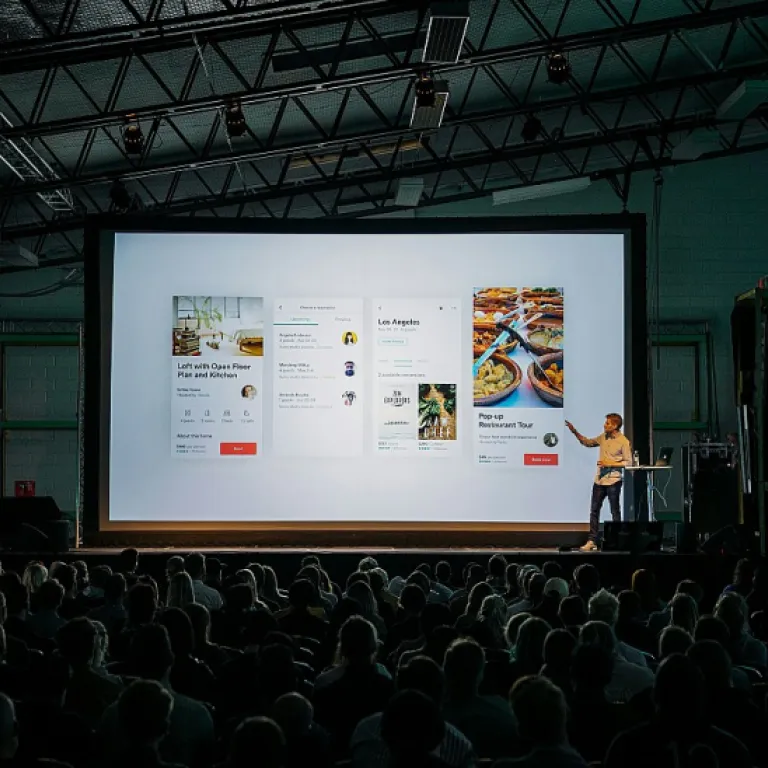
Aligning ICME oral and poster formats with B2B defense objectives
For B2B decision makers in the United States defense ecosystem, the icme 2025 oral poster framework offers a precise lens on how research translates into procurement ready innovation. Each oral presentation and poster presentation at ICME operates as a curated touchpoint where military engineers, integrators, and solution providers can align technical roadmaps with operational requirements. In a market shaped by long acquisition cycles and strict compliance, the way a paper will be presented often determines whether promising multimedia analysis or systems research gains traction with program offices.
The conference structure around icme 2025 oral poster sessions illustrates how time boxing knowledge exchange improves deal flow and partnership clarity. A regular oral presentation is limited to fifteen minutes, including questions, which forces authors to prioritize decision relevant insights, figures references, and risk trade offs for B2B audiences. Poster presentations, by contrast, extend conversations over the full session, allowing deeper discussion of text figures, multimedia datasets, and deployment constraints that matter for integrators and tier one contractors.
For companies planning a paper submission, the icme 2025 oral poster balance should influence both technical positioning and commercial messaging. Papers submitted with clear B2B use cases, robust multimedia analysis, and concise figures references are more likely to be accepted papers and then strategically leveraged in oral presentations or poster presentations with downstream buyers. In this context, ICME becomes less a traditional conference and more a structured marketplace where each poster, paper, and session supports measurable business development outcomes.
From paper submission to oral presentation strategy in the ICME pipeline
Behind every impactful icme 2025 oral poster appearance lies a disciplined pipeline from initial call papers to final session delivery. When ICME issues its call papers, B2B oriented teams should immediately map which programs, clients, and capability gaps their paper will address, rather than treating submissions as purely academic exercises. This mindset ensures that each paper submission is framed around operational relevance, procurement constraints, and integration pathways that resonate with military engineering stakeholders.
Because ICME operates under a double blind review process, authors must embed value propositions through evidence, not branding, while still anticipating the expectations of B2B buyers. Clear formatting guidelines and instructions for submissions are not just administrative details ; they shape how multimedia content, text figures, and longer including annexes are perceived during review. Papers submitted with disciplined structure, compliant figures references, and well organized multimedia analysis signal reliability, which is critical for defense partners assessing future suppliers.
Once icme will notify accepted papers, teams should immediately differentiate between oral presentations and poster presentations in their go to market planning. An oral presentation requires a sharp narrative that can be delivered in a regular fifteen minute slot, including text that highlights KPIs, risk, and deployment timelines. A poster session, by contrast, allows authors and each author’s business development colleagues to engage in extended dialogue, qualify leads, and refine positioning, much like exhibitors do at leading B2B trade events such as innovation focused trade shows in Orlando.
Optimizing poster presentations for high value B2B conversations
The icme 2025 oral poster ecosystem gives poster presentations a central role in nurturing complex B2B relationships across the United States defense sector. Unlike a compressed oral presentation, a poster session enables authors to walk stakeholders through each paper, explain multimedia analysis choices, and contextualize figures references against real operational scenarios. For military engineering buyers and systems integrators, this slower pace often reveals integration risks, lifecycle costs, and interoperability issues that are impossible to cover in regular sessions.
To capitalize on this, every poster and associated papers should be designed as a visual sales narrative, not just a technical collage. Clear text figures, concise captions including text that links requirements to results, and structured sections aligned with ICME formatting guidelines help visitors quickly grasp relevance. When authors stand by their posters throughout the session, they can qualify prospects, capture objections, and adapt explanations, mirroring best practices seen at major B2B trade shows in New York City highlighted in benchmark analyses of top trade shows.
From a pipeline perspective, each icme 2025 oral poster interaction at the board becomes a data point for future submissions and workshops. Authors can note which multimedia elements resonate, which longer including annexes are requested, and how often specific figures references drive follow up meetings. Over time, this feedback loop refines how papers submitted to ICME are crafted, how each author frames an oral presentation, and how poster presentations are positioned to support multi year defense business strategies.
Leveraging oral presentations for authority building in defense markets
Within the icme 2025 oral poster framework, oral presentations function as high visibility stages where leading researchers and solution providers establish authority with U.S. defense stakeholders. A regular oral presentation at ICME, constrained to fifteen minutes including questions, forces authors to distill complex multimedia analysis into a boardroom ready storyline. For B2B executives, this clarity is essential when evaluating whether a paper will influence future tenders, pilot projects, or technology roadmaps.
To maximize impact, authors should treat each oral presentation as a strategic briefing rather than a lecture. Slides must align with ICME formatting guidelines, highlight key figures references, and integrate multimedia elements only when they sharpen decision making. Because the conference emphasizes advanced technologies and sustainability, papers submitted that connect multimedia analysis with eco efficient engineering can position companies as forward looking partners for long term programs.
Not every submission will be accepted papers, and some will be rejected after double blind review, but even rejected work can inform stronger future submissions and workshops. Teams should analyze reviewer feedback, adjust text figures, and refine longer including sections before they submit paper packages again. Over successive ICME cycles, this discipline around paper submission, oral presentations, and poster presentations builds a recognizable track record that B2B buyers in the United States defense ecosystem increasingly trust when shortlisting vendors and research partners.
Workshops, sessions, and the evolving ICME business development landscape
The broader icme 2025 oral poster environment extends beyond individual papers into workshops and thematic sessions that shape B2B collaboration patterns. Each ICME workshop offers a focused setting where authors, integrators, and acquisition officials can probe specific multimedia analysis challenges, from AI enabled targeting to sustainable infrastructure. For companies, participating in these sessions is as critical as securing an oral presentation slot, because workshops often seed future consortia and joint ventures.
Session design at ICME reflects a deliberate balance between oral presentations, poster presentations, and interactive formats that encourage networking. When icme will schedule a poster session adjacent to a high profile oral presentation block, it effectively creates a funnel where interest generated in the auditorium flows directly to detailed board side discussions. B2B teams should plan staffing so that at least one author and one commercial lead are present at every relevant poster and workshop.
As ICME explores virtual options and hybrid formats, the icme 2025 oral poster model offers a template for scalable engagement across the United States. Lessons from workforce focused events such as innovation driven workforce forums in Las Vegas suggest that structured sessions can accelerate skills transfer and partnership formation. For defense suppliers, aligning paper submission strategies, workshop participation, and session attendance with these trends will be essential to remain visible in an increasingly competitive conference landscape.
Governance, review rigor, and trust in ICME for B2B stakeholders
For B2B professionals, the credibility of the icme 2025 oral poster ecosystem rests heavily on governance, review rigor, and alignment with IEEE standards. ICME’s double blind review process, combined with clear instructions and formatting guidelines, reassures defense agencies that accepted papers have passed objective scrutiny. This matters when oral presentations and poster presentations are later cited in procurement justifications, capability assessments, or due diligence reports.
The role of IEEE in shaping expectations around paper submission quality, multimedia analysis integrity, and figures references is particularly important for U.S. based integrators. When papers submitted to ICME comply with IEEE norms on data handling, text figures, and longer including appendices, buyers can more confidently extrapolate performance claims to real deployments. Even when some work is rejected, the transparent criteria help authors recalibrate and submit paper packages that better match both scientific and operational thresholds.
Within this framework, each icme 2025 oral poster appearance becomes a trust building event between leading researchers, solution vendors, and acquisition authorities. A well executed oral presentation or poster session signals not only technical competence but also process maturity, documentation discipline, and responsiveness to review. Over time, repeated participation in ICME workshops, sessions, and poster presentations can differentiate companies in crowded B2B defense markets, where verifiable track records often outweigh marketing narratives.
Key quantitative insights on ICME oral and poster formats
- Regular oral presentations at ICME are limited to fifteen minutes, including time allocated for questions and discussion with attendees.
- Poster presentations require authors to provide their own printed materials, with a maximum size of approximately ninety one centimetres wide by one hundred twenty two centimetres high.
- Authors are expected to remain present during the entire poster session to engage in direct dialogue and answer detailed technical questions.
- The structured mix of oral presentations and poster presentations is designed to enhance knowledge transfer and support efficient networking among participants.
- ICME increasingly highlights advanced technologies and sustainability themes, influencing the focus of many papers submitted for review.
Frequently asked questions about ICME oral and poster presentations
How should B2B teams choose between an oral presentation and a poster presentation at ICME ?
B2B teams should prioritize an oral presentation when they need high visibility with senior decision makers and can convey their value proposition within a concise fifteen minute slot. A poster presentation is better suited for complex solutions that benefit from extended one to one discussions, iterative demonstrations, and detailed exploration of multimedia analysis or integration constraints. Ideally, organizations plan a portfolio approach, combining oral presentations for visibility with poster presentations for deeper technical and commercial engagement.
What makes a paper submission more likely to be accepted in the ICME review process ?
Papers that follow ICME formatting guidelines, respect double blind requirements, and present clear figures references tend to perform better in review. Reviewers look for rigorous multimedia analysis, transparent methods, and results that are relevant to current military engineering challenges. Submissions that articulate operational implications and potential B2B applications, while remaining evidence based, are more likely to become accepted papers and then feature in prominent sessions.
How can authors use poster sessions to support long term business development ?
Authors should treat each poster session as a structured pipeline activity, capturing contact details, questions, and objections from visitors. By tracking which aspects of the poster, such as specific text figures or multimedia elements, generate the most interest, teams can refine both future papers submitted and commercial messaging. Follow up after ICME, including targeted briefings and technical workshops, turns poster presentations into sustained B2B relationships rather than one off interactions.
Why is compliance with IEEE and ICME instructions important for B2B credibility ?
Compliance with IEEE norms and ICME instructions signals that a company can operate within the rigorous documentation and quality frameworks expected in defense procurement. When a paper submission adheres to formatting guidelines, handles multimedia data responsibly, and presents verifiable figures references, it reduces perceived risk for buyers. This procedural reliability, demonstrated through oral presentations and poster presentations, often influences vendor selection as much as the underlying technology.
How do ICME workshops complement the value of oral and poster presentations ?
ICME workshops provide focused environments where participants can explore specific themes in greater depth than is possible in a regular session. For B2B stakeholders, workshops are opportunities to test ideas, validate requirements, and identify potential partners before formal tenders emerge. When combined with strategic participation in icme 2025 oral poster activities, workshops help organizations embed themselves in the networks that shape future military engineering projects.
