Why post event content repurposing SEO B2B now defines event ROI
Marketing leaders in B2B events are sitting on an underused asset. Three days at RSA Conference in San Francisco or CES in Las Vegas generate more event content than most teams publish in six months, yet only a fraction of that material is turned into search friendly assets or demand generation campaigns. When post event planning ignores systematic content repurposing, the organisation pays for reach once instead of compounding visibility and pipeline impact over a long period.
Across major US events, from SXSW in Austin to Dreamforce in San Francisco, every keynote, panel, and webinar style breakout can be treated as raw material for structured content creation. A single 45 minute session routinely yields more than twenty content assets when you repurpose content into a mix of blog posts, short form videos, email sequences, and social media updates aligned with content marketing goals. Internal benchmarks from teams at large SaaS vendors and indicative data from event platforms suggest that programs using this approach generate 30–50% more influenced pipeline than those that only publish a recap,1 which is why post event content repurposing SEO B2B has become a board level topic for growth focused companies that treat events as a pipeline engine rather than a branding expense.
Data from specialist providers such as ON24 and Hubilo indicates that repurposing content from events extends its useful life by roughly six months,2 which means one conference can sustain a long cadence of touchpoints with your target audience. When you repurpose event recordings into long form articles, case studies, and social media threads, you keep your brand present in search results and feeds long after the booth is dismantled. For a VP of Marketing managing several virtual events and physical events each quarter, the ability to repurpose event content systematically will often separate teams that hit pipeline targets from those that only share a highlight video and move on.
Designing a capture plan that serves marketing and SEO for months
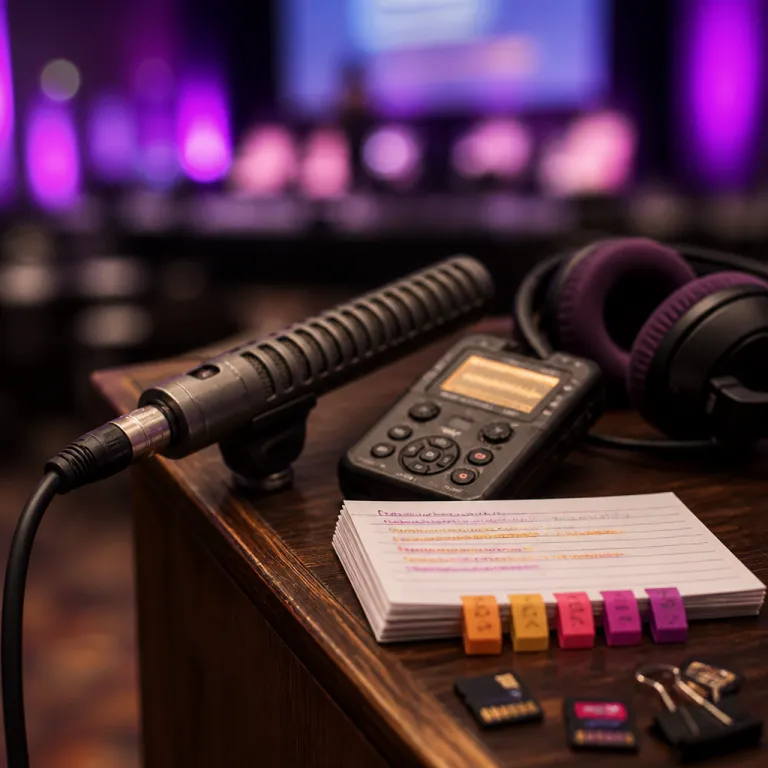
Everything starts before the event doors open, with a capture plan built for post event content repurposing SEO B2B rather than vanity recap videos. Your marketing team should map priority sessions, speakers, and customer meetings at events like SaaStr Annual or HIMSS, then decide which will be filmed as long form video, which will be recorded as audio, and which will be documented through live notes for later content creation. The goal is to leave with structured event content instead of scattered clips that are hard to repurpose content into coherent narratives.
For each keynote or panel, assign one owner responsible for capturing video, collecting speaker decks, and flagging quotable moments that will later become social media snippets or email hooks. At the same time, your content marketing lead should tag each session against target SEO themes, so that every future blog post or series of blog posts aligns with existing content clusters and does not compete with older articles. This is where a named account strategy, such as the one described in this analysis of account based event marketing across three trade shows, intersects with repurposing event assets for search and sales enablement.
Do not forget the informal moments that often produce the best repurposed content for B2B audiences. Customer interviews at your booth, analyst briefings in hotel lobbies, and product demos recorded as simple form videos can all be repurposing content gold when turned into case studies or a single authoritative blog post. A disciplined capture checklist that covers session recordings, customer stories, and product walk throughs will ensure that every virtual event, hybrid format, and in person show yields reusable existing content that your marketing team can repurpose event after event without reinventing the process.
From keynote recordings to long form articles that rank and convert
Once the event ends, the real work of post event content repurposing SEO B2B begins with transcription and analysis. Start by transcribing every keynote recording and panel discussion, then segment the text into clear thematic blocks that can support a 1 200 word long form article, a shorter blog post, and several social media updates. This structured approach to content repurposing turns what was a single live event into a portfolio of assets that will serve both search and sales for months.
For example, a marketing leader attending Adobe Summit in Las Vegas could turn a single keynote on customer journeys into a series of blog posts, each focused on a specific tactic such as omnichannel email orchestration or first party data strategy. Insights from this type of session pair naturally with the kind of event driven analysis outlined in this review of what event driven marketers should steal from keynotes, and together they create a content marketing cluster that reinforces your authority. Each article should clearly attribute quotes to speakers, link back to the original event, and include internal links to existing content so that repurposed content strengthens your overall SEO architecture.
To make this workflow executable, treat each keynote as a mini production line: during the session, capture timestamps for every major section and note the slide titles; within 48 hours, cut the recording into three to five clips mapped to those timestamps; in the first week, draft one long form article that targets a primary keyword and two supporting posts aimed at related queries; in weeks two and three, publish the clips on social channels with UTM tagged links back to the articles; by week four, consolidate the strongest insights into a gated asset or nurture email that reuses the same core narrative. Over time, this keynote to article pipeline will generate a predictable flow of repurposing event assets that support both organic traffic and sales conversations without requiring new creative every week.
Turning panel quotes and Q&A into social, email, and nurture engines
Panels and Q&A sessions at events like SXSW, RSA Conference, or regional virtual events are a goldmine for post event content repurposing SEO B2B when handled with intent. Each sharp quote from a CISO, CIO, or VP of Marketing can become a standalone social media post, a subject line for an email campaign, or the opening hook of a blog post that targets a specific keyword cluster. Because these quotes reflect real audience concerns voiced live, they tend to outperform generic marketing copy in both engagement and conversion.
Start by tagging every notable quote during the event, then after the show repurpose content into themed batches such as security trends, AI adoption, or procurement best practices. From there, your content marketing team can schedule a long sequence of LinkedIn and X posts, each linking back to deeper blog posts or case studies that expand on the original point. This approach mirrors the way leading teams at large US tech companies treat panel content as a continuous media stream rather than a one time highlight reel.
Do not limit yourself to social channels ; integrate these insights into email nurture programs and webinar invitations that reference the original event content. A single panel can fuel several form videos for your resource hub, a series of repurposed content snippets for sales enablement, and a set of repurposing content experiments where you test different hooks across media formats. Over six months, this disciplined reuse of panel material will keep your brand present in the feeds and inboxes of your target audience long after the physical events or virtual event platforms have gone quiet.
Building a six month distribution calendar that compounds SEO value
Without a calendar, even the best post event content repurposing SEO B2B strategy will stall after the first recap article. Treat each major US event as a six month content engine, mapping every asset you plan to create across blog posts, videos, email campaigns, and social media series. This long horizon view ensures that repurposing event material becomes a sustained program rather than a frantic two week sprint.
A practical model is to assign each week after the event a primary asset and several supporting pieces of repurposed content. Week one might feature a flagship long form blog post summarising the keynote, supported by short form videos and social media threads, while week three focuses on case studies derived from customer conversations captured on site. Midway through the cycle, you can repurpose content again by compiling the strongest insights into a webinar or virtual event that brings the narrative full circle and generates fresh event content for the next wave of repurposing content.
As you plan this calendar, align topics with your broader marketing roadmap and named account priorities, using resources like this analysis of spring trade show peaks through a procurement lens to time your pushes around industry buying cycles. A simple six month schedule might include weekly blog posts for the first month, biweekly articles and case studies in months two and three, and a mix of webinars, virtual events, and content refreshes in the final quarter of the cycle. Over time, this disciplined approach to content creation and distribution will turn your events portfolio into a compounding SEO and demand generation asset rather than a series of isolated marketing spikes.
FAQ
How many assets should I expect from a single conference session ?
For a typical 45 minute session at a major B2B event, you can realistically generate around twenty distinct content assets when you plan repurposing in advance. That usually includes one long form article, one shorter blog post, several short form videos, multiple social media posts, and at least one email touchpoint. The exact number depends on how thoroughly your marketing team captures event content and how aggressively you repurpose content into different formats.
What formats work best for post event content in B2B ?
In B2B, long form written content such as detailed blog posts and case studies tends to perform best for SEO and sales enablement. Short form videos and form videos work well on social media and in email, especially when they highlight specific quotes or data points from keynotes and panels. Webinars and virtual events are effective for consolidating insights a few weeks after the original event and generating fresh engagement from the same material.
How should I prioritise which sessions to repurpose first ?
Prioritise sessions where your brand has a strong presence, such as keynotes delivered by your executives or panels featuring your customers. Next, focus on sessions that align closely with your strategic content marketing themes and high intent SEO keywords, since those will drive the most long term value. Finally, consider audience engagement signals from the event itself, such as packed rooms or active Q&A, as indicators that the content will resonate when repurposed content is published.
How long should my post event repurposing program run ?
For major US conferences and large virtual events, a six month horizon is a practical target for post event content repurposing SEO B2B. That duration allows you to space out long form articles, social media series, and email campaigns without overwhelming your audience. Smaller events may justify a shorter three month program, but the principle remains the same ; treat every event as a medium term content engine rather than a one week news spike.
What metrics show that my repurposing strategy is working ?
Key indicators include sustained organic traffic growth to event related blog posts, rising engagement rates on social media posts that reference event content, and higher click through rates on email campaigns built from repurposed content. You should also track influenced pipeline and deal velocity for accounts that engaged with your post event assets, since B2B events are ultimately judged on revenue impact. When those metrics trend upward across several events, you know your repurposing content workflow is turning live experiences into durable marketing assets.
1 Based on aggregated internal benchmarks reported by enterprise SaaS marketing teams and public case studies from event technology vendors.
2 Indicative averages drawn from content performance reports shared by digital event platforms and webinar providers.