Why interface retail Austin 2026 matters for retail and mixed use strategy
Interface retail Austin 2026 sits at the crossroads of retail, housing, and real estate strategy. For B2B leaders, this Interface conference in Austin is where the undersupplied Austin retail market meets investors, developers, and operators seeking real clarity on risk and opportunity. The event brings together a concentrated conference group of owners, investors, architects, developers, and lenders who rarely share this level of operational detail in public.
The format is intentionally compact, with a single day of panels and networking that still delivers around 7.5 hours of content focused on retail mixed use and commercial real estate. Hosted by InterFace Conference Group at the Hyatt Regency Austin on March 26, 2026, the Interface Austin program examines how high urban costs are pushing real estate business strategies toward suburban and exurban corridors. That shift is especially visible in the housing business, where student housing, seniors housing, and affordable housing are now being integrated into retail mixed environments rather than treated as isolated asset classes.
For any real estate or housing business executive, the event functions as a live laboratory of the Texas real market. Speakers dissect real estate fundamentals such as rent growth, absorption, and cap rates, while also addressing softer Interface topics like tenant mix, media visibility, and community engagement. Because the Austin market is structurally undersupplied in both retail and housing, Interface retail Austin 2026 will inevitably attract investors, developers, and owners who want to secure a first mover position before new industrial and commercial infrastructure locks in long term patterns.
Suburban retail, housing, and the new economics of Austin growth
The most urgent subject at Interface retail Austin 2026 is the pivot from central business districts to suburban corridors. High land and construction costs in the urban core are forcing real estate strategies to rebalance toward suburban retail mixed projects that can support both commercial real and residential demand. This suburban development focus is not theoretical; it is already reshaping where Interface conference speakers see the next decade of value creation.
Case studies presented by the conference group show that suburban retail centers anchored by grocery, healthcare, and daily needs tenants are outperforming legacy malls on occupancy and rent growth. One InterFace panel on the Austin market highlighted a suburban retail development success where a shift away from a purely commercial real estate concept toward a mixed housing business model led to higher occupancy and profitability. In that example, occupancy moved from the mid‑80% range to above 95% within 18 months, while average base rents increased by roughly 8% (source: InterFace Conference Group, Austin Retail & Mixed-Use panel recap, 2025). For B2B professionals tracking e commerce events, this suburban pivot also changes how omnichannel logistics, last mile delivery, and click and collect formats are integrated into physical retail in Austin.
Executives attending Interface Austin will hear how student housing and seniors housing can be layered into suburban retail projects to stabilize cash flows and extend dwell time. The same logic applies to affordable housing, which is increasingly seen as a critical component of Texas real estate resilience rather than a niche policy topic. One leasing executive who attended the 2025 edition noted, “Our suburban mixed use project only penciled once we added 250 units of workforce housing above the retail; that residential base now drives 30% of weekday foot traffic” (source: on-the-record remarks during InterFace Austin 2025 leasing panel). For readers planning their broader events calendar, it is worth aligning this Austin event with other retail and e commerce events strategies in the USA, as outlined in this analysis of e commerce events, strategies, networking, and innovation for business professionals, to build a coherent annual learning and deal making roadmap.
Mixed use design: from architects developers to investors and operators
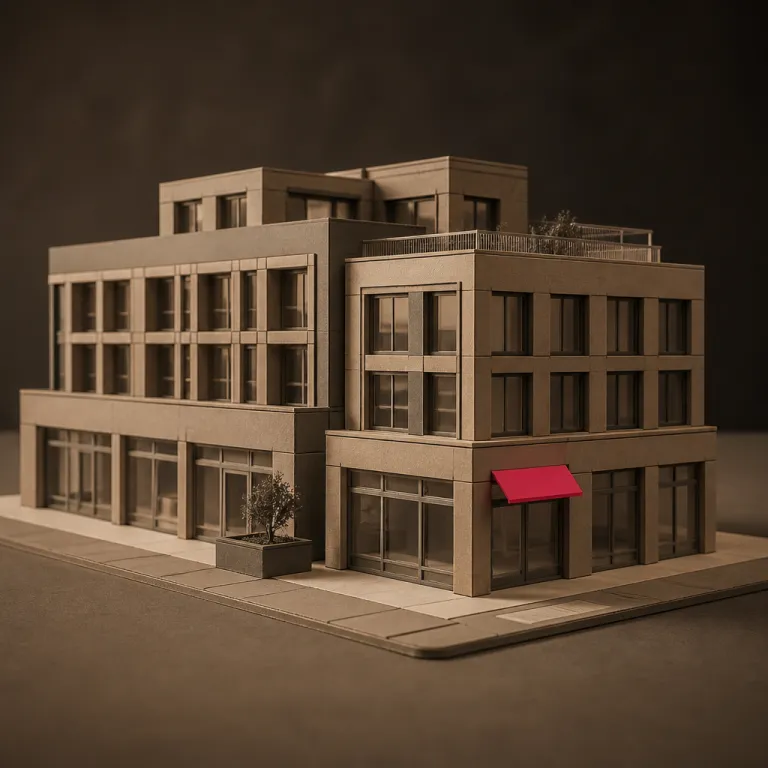
Interface retail Austin 2026 places mixed use design at the center of the conversation between architects, developers, and capital. The event’s panels show how architects developers are now expected to think simultaneously about retail, housing, and public realm design rather than treating each as a separate interface. That integrated approach is particularly visible in Austin retail corridors where ground floor commercial real space supports upper floor housing and flexible office uses.
For owners investors, the key question is how to structure real estate deals so that retail mixed projects can adapt to shifting tenant demand without constant recapitalization. Speakers from the real estate business community explain how they underwrite student housing, seniors housing, and affordable housing components differently within the same mixed use stack. They also examine how Interface conference peers in markets like Interface Phoenix and Interface Houston are handling similar design and capital allocation challenges, offering a comparative lens for investors developers who operate across multiple Sun Belt metros.
Design choices discussed at the event extend beyond façades and floor plates into operational details such as loading access, signage, and digital infrastructure. One panel explores how business magazine coverage and narrative driven project storytelling can elevate a project’s profile with both tenants and consumers. For retail professionals planning their broader B2B calendar, pairing Interface retail Austin 2026 with targeted trade shows such as those offering a free expo pass for retail professionals can create a powerful combination of strategic insight and product level exposure.
Capital flows, investors, and the role of interface conferences
Capital allocation is where Interface retail Austin 2026 becomes particularly valuable for institutional players and private capital. The Austin market is undersupplied in both retail and housing, which means investors developers and owners investors are competing for a limited pipeline of viable sites. InterFace Conference Group uses this event to convene lenders, equity providers, and operating partners who are actively placing capital into Texas real estate.
Panels at the Interface conference examine how different capital stacks respond to risk in suburban versus urban locations, and how commercial real estate lenders price mixed use projects that combine retail, housing, and sometimes light industrial components. Speakers also address the growing role of student housing and seniors housing within mixed use districts, explaining how these uses can anchor long term cash flows when retail cycles soften. For many attendees, the ability to join curated networking sessions with a focused conference group is as valuable as the formal content, because it accelerates the matching of capital with on the ground expertise.
Interface retail Austin 2026 also sits within a broader ecosystem of B2B events that shape how capital flows into regulated and technology heavy segments of the market. Executives responsible for both real estate and financial infrastructure often coordinate their attendance at Austin with specialized gatherings such as these fintech and payments conferences where CISOs and compliance officers source regulated solutions. That cross pollination between property, payments, and data security is increasingly relevant as omnichannel retail and e commerce blur the lines between physical assets and digital transaction platforms.
Programming, media, and the expanding interface between physical and digital
Beyond bricks and mortar, Interface retail Austin 2026 explores how media, data, and programming shape the performance of retail and mixed use assets. Panels examine how narrative driven storytelling, local business magazine coverage, and targeted social media campaigns can reposition older centers as contemporary community hubs. This focus on narrative is especially important in Austin, where new projects must compete with a strong existing brand around music, food, and creative culture.
The event also highlights how webinars and hybrid formats extend the reach of the Interface conference beyond those physically present at the Hyatt Regency Austin. A dedicated webinar track allows student participants, regional brokers, and smaller housing business operators to join sessions remotely, accessing the same market details and strategic insights as on site delegates. For B2B professionals managing large teams, this combination of in person and digital access means more colleagues can engage with the content without incurring full travel costs.
Speakers emphasize that the real value of Interface retail Austin 2026 lies in the way it connects physical assets with digital channels. Discussions cover how to integrate click and collect, last mile logistics, and data driven tenant curation into both new and existing Austin retail properties. As one panel summary from a related InterFace session notes, “Suburban strategies that integrate daily needs retail with flexible residential formats are outperforming legacy single use centers on both occupancy and rent growth,” a statement that aligns with recent Austin retail performance data published by local brokerage research teams.
Cross market lessons: what Austin can learn from Phoenix, Houston, and beyond
Interface retail Austin 2026 does not treat the city as an island; it positions Austin within a network of high growth markets across the United States. Sessions comparing Interface Austin with Interface Phoenix and Interface Houston reveal both common patterns and local nuances in retail and housing demand. For investors developers operating across these metros, the ability to benchmark performance and strategy is invaluable.
In Phoenix, for example, industrial and logistics uses often sit closer to residential neighborhoods, which influences how retail mixed projects are designed and phased. Houston, by contrast, offers lessons on large scale commercial real estate and master planned communities that integrate student housing, seniors housing, and affordable housing into broader real estate business ecosystems. By examining these markets side by side, the conference group helps attendees refine their underwriting assumptions for Texas real assets and beyond.
International perspectives also surface through participants with ties to France and other European markets, where media coverage of mixed use regeneration has been extensive. These voices highlight how Interface style conferences in Europe blend policy, design, and finance in ways that can inform Austin’s next generation of projects. For B2B professionals, the key takeaway is that Interface retail Austin 2026 will function not only as a local market briefing but as a comparative platform where lessons from multiple regions converge into actionable strategies.
Key statistics and quantitative signals shaping interface retail Austin 2026
- The InterFace Austin retail and mixed use event delivers approximately 7.5 hours of formal programming in a single day, which is dense enough to cover leasing, capital markets, and development trends without diluting focus (source: InterFace Conference Group published agenda).
- The conference is held at the Hyatt Regency Austin, a central location that shortens travel time for local owners investors and improves access for regional investors developers flying into Austin Bergstrom International Airport (source: InterFace Conference Group event overview).
- Panel discussions emphasize that Austin’s retail market remains structurally undersupplied, particularly in housing linked to retail corridors, which supports above average rent growth compared with many mature U.S. metros (source: InterFace Austin market outlook summary and regional brokerage research).
- A highlighted suburban retail development case study presented at an InterFace panel showed that repositioning a single use center into a retail mixed project with residential components led to higher occupancy rates and improved profitability relative to the prior configuration, with cap rates compressing by roughly 40 to 60 basis points after stabilization (source: InterFace Conference Group, suburban retail development success case study, 2024).
- Future oriented sessions at Interface retail Austin 2026 indicate that continued growth in suburban mixed use developments is expected as high urban core costs push both retail and housing projects toward more affordable peripheral locations (source: InterFace Conference Group outlook and Austin planning forecasts).
FAQ about interface retail Austin 2026 and the Austin retail market
Who should attend interface retail Austin 2026 from a B2B perspective ?
The event is designed for real estate professionals, including investors developers, owners investors, lenders, brokers, and architects developers focused on retail and mixed use assets. It is also relevant for housing business operators in student housing, seniors housing, and affordable housing who want to integrate residential uses into retail environments. Media and business magazine professionals covering commercial real estate trends in Austin will also find substantial value.
How does interface retail Austin 2026 address the suburban shift in Austin ?
Panels at the Interface conference analyze how high costs in the urban core are pushing new projects toward suburban corridors. Speakers present case studies where suburban retail mixed developments have outperformed older single use centers on occupancy and rent growth. Attendees receive practical guidance on site selection, tenant mix, and capital structuring for these suburban opportunities.
What role do housing segments play in the conference agenda ?
Student housing, seniors housing, and affordable housing are treated as integral components of modern mixed use strategies rather than separate asset classes. Sessions explain how these housing types can stabilize cash flows in retail projects and support community building. The conference group also examines regulatory and financing considerations specific to each housing segment within the Austin and broader Texas real markets.
Is there a digital or webinar component for those who cannot travel to Austin ?
InterFace Conference Group typically complements its in person events with webinar options that allow remote participants to join selected sessions. While the core networking benefits are strongest on site at the Hyatt Regency Austin, the webinar format extends access to students, regional operators, and smaller firms. Attendees should review the official event details to confirm which panels will be streamed.
How does interface retail Austin 2026 compare with other InterFace events like Phoenix or Houston ?
Interface Austin focuses on an undersupplied, high growth market where tech driven employment and population inflows support strong retail and housing demand. Interface Phoenix and Interface Houston address different mixes of industrial, commercial real, and residential dynamics, offering complementary lessons on logistics, energy, and large scale master planning. Many investors developers attend multiple InterFace events each year to build a cross market perspective that informs portfolio level decisions.
