Manufacturing events outpace the broader trade show industry
Automate 2026 attendance record manufacturing events is no longer a niche storyline for plant engineers ; it is now a board level signal for B2B event strategy. With more than 50,000 registrants and 1,230 exhibitors at McCormick Place in Chicago, the automate show has moved into the same scale conversation as CES and IMTS for industrial decision makers. For procurement leaders, that surge in attendees and companies confirms that manufacturing focused trade fairs are where robotics, automation, and artificial intelligence suppliers now launch their most strategic technologies.
The association advancing automation, which organizes Automate, reported an 11 percent year over year increase from the previous edition in Detroit, where more than 45,000 attendees and over 900 exhibitors already stretched the venue. That growth rate significantly outpaces the broader United States trade show market, where most business events are tracking in the low single digits, and it mirrors the global industrial automation market that was valued at 272,51 billion dollars in 2025 and is projected to reach 632,12 billion dollars by 2034. When a single event adds 300 exhibitors in one cycle, it becomes a primary marketplace for evaluating robots industrial suppliers, motion control platforms, and robotics automation systems rather than a secondary stop after regional expos.
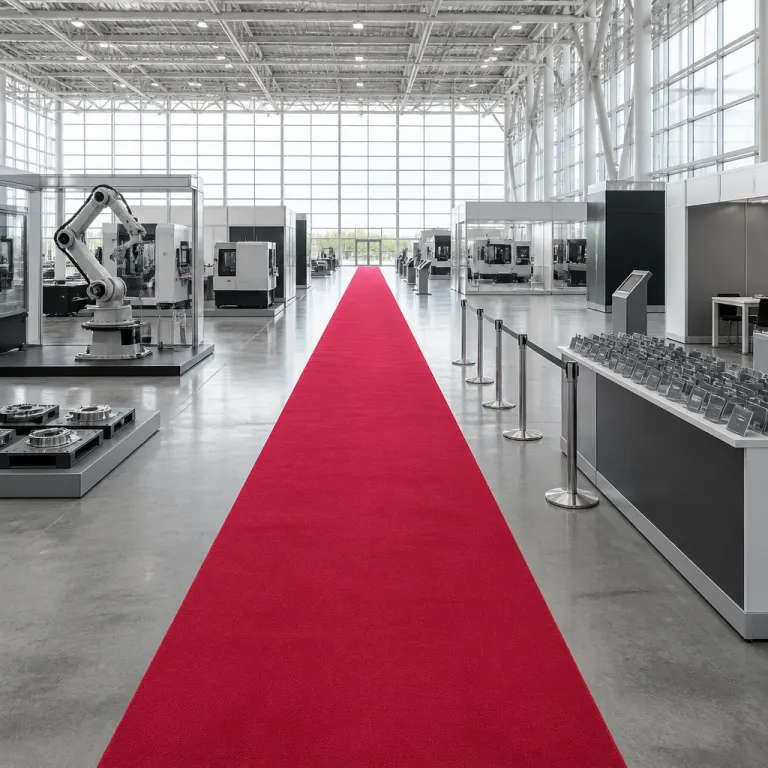
Automate’s move from Detroit to McCormick Place also matters because venue scale quietly shapes who shows up and what they bring. The Chicago plant sized convention center enabled 425,000 square feet of show floor, which allowed full scale machine cells, autonomous mobile robot fleets, and complete machine vision lines to run in realistic production layouts. For procurement and operations directors, that density of industrial technology under one roof compresses months of supplier visits into three days of targeted sessions, live demos, and structured meetings with company executives.
Vendor discovery at scale: how to work a 1,230 exhibitor floor
At Automate 2026, the exhibitor list effectively became a live database of the industrial automation supply chain, spanning robots, machine builders, software platforms, and systems integrators. With 1,230 booths, unstructured browsing is a recipe for missed opportunities, especially when many companies now show both robots and software in the same plant level solution. Procurement leaders who treated the automate exhibitor directory like a sourcing project — tagging vendors by technology, industry fit, and implementation model — reported far higher ROI from their event time.
For a show built around robotics automation, the most efficient play is to segment exhibitors into four clusters before arrival : core robot and humanoid robot manufacturers, machine vision and vision motion providers, autonomous mobile and mobile robots vendors, and end to end systems integrators. That structure lets you compare humanoid robots and traditional robots industrial offerings side by side, while also mapping which company can actually deploy technology into your existing plant systems. It also helps you prioritize sessions and robot forum panels that align with your current automation roadmap rather than chasing every flashy humanoid robotics demo on the floor.
Digital tools are reshaping this process, as seen in other B2B events where AI matchmaking moves from pilot to default at US trade shows, and Automate is following that trajectory with richer data on attendees and exhibitors. As event technology providers such as Cvent commit 1 billion dollars to event technology and ship dozens of AI features at large conferences, procurement teams can expect more natural language search, supplier scoring, and automated meeting suggestions layered onto future automate editions. The practical takeaway is clear : treat Automate 2026 attendance record manufacturing events as both a live showroom for robots and a structured sourcing exercise, with pre event filters, in hall adjustments, and post show debriefs baked into your internal process.
Humanoid Robot Forum, regional shifts, and what it signals for H2
The inaugural Humanoid Robot Forum at Automate drew more than 1,100 registrants, creating a sub event inside the larger show that functioned like a focused conference on humanoid robotics. That format mirrors how RSA Conference carved out dedicated tracks for cloud security and how CES built specialized zones for automotive technology, signaling that humanoid robots are moving from curiosity to a defined category within industrial automation. For technology scouts, that means future automate programs will likely feature multiple robot forum style gatherings, each zeroing in on specific technologies such as machine vision, motion control, or artificial intelligence in manufacturing plants.
This concentration of interest in humanoid and mobile robots at a manufacturing show also has implications for other industrial events such as IMTS in Chicago and FABTECH in Las Vegas later in the year. As Automate 2026 attendance record manufacturing events data circulates, exhibitors will benchmark where to launch new robot or automation systems, and some may shift their biggest announcements from horizontal tech shows to industry specific trade fairs. Procurement leaders planning H2 travel should therefore treat spring trade show peak analysis from a procurement lens as a baseline, then overlay Automate’s growth curve to decide where late year budgets will capture the best mix of innovation and supplier depth.
Compared with general technology gatherings such as SXSW or broad enterprise IT events, manufacturing focused expos now offer a tighter link between what is shown on the floor and what can be installed in a plant within 12 to 24 months. The combination of live machine cells, integrated supply chain software, and advanced technology sessions on topics such as natural language interfaces for robots or AI driven vision motion control gives these events a direct line to operational outcomes. For senior buyers in the United States, the signal is unambiguous : Automate 2026 attendance record manufacturing events performance confirms that industry specific trade fairs are becoming the primary arena for advancing automation strategies, vetting association advancing automation members, and shaping multi year vendor rosters.