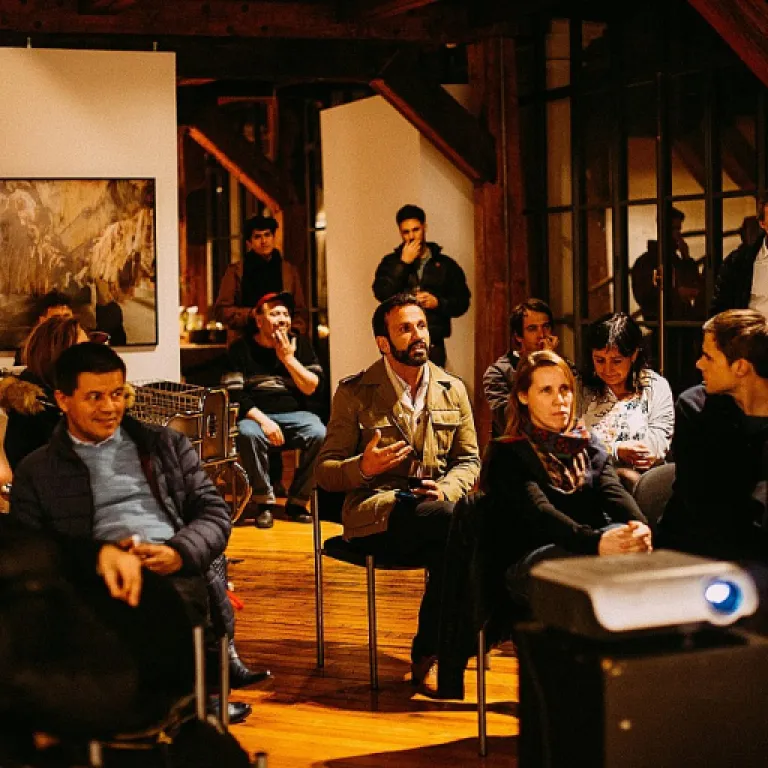
Why B2B trade show marketing still anchors serious business growth
B2B trade show marketing remains a core trade tactic for U.S. companies that sell complex solutions. When a marketing team commits budget to a major show, it is buying concentrated access to decision makers who rarely engage this deeply through online channels. For many business leaders, a single event can reset the sales pipeline for an entire region.
Across leading events, exhibitors report that a trade show delivers a higher lead volume and better lead quality than most other marketing event formats. This is because attendees arrive with clear business intent, and many hold direct buying power within their organization. When marketing strategies align with sales objectives, every conversation on the show floor can move a prospect closer to contract.
In the United States, event marketing budgets increasingly prioritize industry specific trade shows over general events, as marketers chase measurable ROI. A focused marketing plan allows teams to define a target audience, refine the booth design, and orchestrate engagement moments that feel relevant rather than generic. As a result, B2B trade show marketing is less about spectacle and more about orchestrated show marketing that supports long cycle enterprise deals.
Exhibitors that treat each event as a standalone campaign, rather than a logistics exercise, see stronger show ROI. They integrate digital marketing, social media, and real time analytics to understand which attendees engage, which product messages resonate, and which leads justify deeper follow up. This disciplined approach turns a traditional trade show into a data rich marketing event that can be benchmarked, optimized, and scaled across multiple events.
Designing a booth and experience that convert attendees into qualified leads
Effective B2B trade show marketing begins with a booth design that reflects the brand promise and business value proposition. On a crowded show floor, attendees make split second decisions about which booth to approach, often guided by clarity of messaging rather than sheer size. A concise product story, visible from several meters away, will outperform a visually noisy stand with no clear offer.
Marketers should map the attendee journey inside the booth, from initial engagement to lead capture. Short demos, guided tours, and micro presentations can structure the flow, ensuring that each visitor receives tailored information based on their role and buying stage. When staff follow a consistent engagement script, they can qualify leads efficiently while still allowing room for natural conversation.
Experiential elements, such as interactive screens or hands on product zones, help transform a static show into a memorable event marketing experience. These experiences should not exist for entertainment alone ; they must support the marketing strategy by surfacing specific problems the product solves. In practice, this means aligning every interactive element with a clear call to action and a defined show lead capture point.
To maximize show ROI, teams should test different booth layouts across events and compare performance metrics. For example, an open corner booth may increase raw attendees traffic, while a semi enclosed meeting area may improve lead generation quality. Over time, this data driven approach to booth design helps refine marketing strategies, ensuring that each trade show delivers both immediate leads and long term brand equity.
Integrating digital marketing and social media into the trade show cycle
Modern B2B trade show marketing extends far beyond the physical event dates, relying heavily on digital marketing to frame the narrative. Weeks before the show, marketing teams should launch targeted online campaigns that highlight the product focus, key sessions, and reasons for attendees to schedule meetings. This pre event marketing strategy ensures that the right target audience already recognizes the brand when they walk the show floor.
Social media plays a central role in amplifying show marketing, especially on professional platforms where business decision makers congregate. Live posts, short videos, and real time commentary from the booth can draw additional attendees, while also reaching prospects who could not travel to the event. By integrating event hashtags and tagging organizers, exhibitors extend their visibility across the broader marketing event ecosystem.
During the show, digital tools can help staff manage lead capture more effectively. QR codes, mobile forms, and CRM integrated apps reduce manual errors and allow immediate scoring of leads based on engagement level and product interest. This digital layer transforms each trade show interaction into structured data that supports more precise post show follow up.
After the event, a coordinated show follow sequence across email, social, and sales outreach is essential to protect ROI. Personalized recaps, access to session recordings, and tailored product content remind attendees why they engaged with the booth. When executed well, this full cycle approach to B2B trade show marketing turns a single event into months of sustained audience engagement and measurable pipeline growth.
From show lead to revenue: building a disciplined follow up engine
The most common failure point in B2B trade show marketing is not the event itself, but the inconsistent handling of leads afterward. A strong marketing plan defines how every show lead will be categorized, routed, and nurtured before the first attendee badge is scanned. This discipline ensures that the energy invested on the show floor translates into predictable business outcomes.
Effective lead generation at events requires clear qualification criteria that sales and marketing agree on. During conversations at the booth, staff should capture not only contact details, but also buying timelines, budget indicators, and specific product interests. This richer data allows teams to segment leads into immediate opportunities, mid term prospects, and longer term nurture tracks.
Within days of the event, a structured post show cadence should begin, combining personalized emails, social media touches, and targeted online content. Sales teams can reference specific moments from the event, such as a demo or a roundtable, to re anchor the relationship and reinforce the brand. When marketing supports this outreach with relevant case studies and ROI calculators, prospects are more likely to advance in the funnel.
To evaluate show ROI accurately, companies must connect event marketing data with closed revenue in their CRM. This linkage reveals which events, which marketing strategies, and which booth activities generate the most profitable leads. Over multiple trade shows, these insights guide smarter budget allocation, helping teams prioritize the events that consistently produce successful trade outcomes and sustainable business growth.
Aligning event marketing with broader B2B strategy and sponsorship choices
For U.S. companies, B2B trade show marketing works best when integrated into the broader business and marketing strategy, rather than treated as an isolated activity. Leadership should define how each trade show supports specific objectives, such as entering a new vertical, defending market share, or launching a flagship product. This clarity shapes everything from booth design to speaking submissions and sponsorship negotiations.
Strategic sponsorships can significantly elevate a brand’s presence at key events. By aligning with conference organizers on session formats, networking lounges, or hosted buyer programs, exhibitors can position themselves as thought partners rather than just vendors. Resources such as guides to maximizing impact through conference sponsorship packages offer useful frameworks for evaluating which opportunities genuinely help the business.
Marketing leaders should also coordinate messaging across all events in a given season, ensuring that each marketing event reinforces a consistent narrative. This includes harmonizing digital marketing campaigns, social media storytelling, and sales enablement materials so that the target audience hears the same core value propositions. When executed well, this repetition builds mental availability and strengthens the brand’s position in competitive trade environments.
Finally, cross functional collaboration is essential to protect show ROI and long term relationship value. Product teams can use feedback from attendees to refine roadmaps, while customer success teams identify expansion opportunities among existing clients who visit the booth. In this way, B2B trade show marketing becomes a strategic listening post that informs decisions across the entire business, not just within the marketing department.
Measuring performance, sustainability, and future trends in B2B trade shows
As budgets tighten, U.S. marketers face growing pressure to justify every trade show investment with clear metrics. A robust measurement framework should track not only lead volume, but also lead quality, sales cycle acceleration, and multi touch attribution across online and offline channels. This holistic view of event marketing performance allows leaders to compare show ROI against other marketing strategies such as webinars, digital campaigns, or account based programs.
Sustainability has become a defining theme in booth design and overall show operations. Companies increasingly favor reusable structures, low impact materials, and digital product content instead of printed brochures, aligning environmental responsibility with cost efficiency. These choices resonate with attendees who expect brands to reflect broader social values in their marketing event presence.
Technology is reshaping B2B trade show marketing through real time analytics, AI powered lead scoring, and personalized engagement tools. Exhibitors can monitor traffic patterns on the show floor, identify which demos attract the most attendees, and adjust staffing or messaging on the fly. Over multiple events, this data supports continuous improvement of both the marketing plan and the underlying business strategy.
Looking ahead, the most successful trade exhibitors will blend physical and digital experiences into a unified audience journey. Hybrid formats, richer social media integration, and always on online communities will extend the life of each event far beyond its official dates. For professionals managing B2B trade show marketing in the United States, the mandate is clear ; treat every show as a strategic asset that connects brand, product, and customer in measurable, sustainable ways.
Key statistics shaping B2B trade show marketing performance
- Average return on investment from trade show marketing is estimated at several dollars in revenue for every dollar spent, underscoring its efficiency compared with many other channels.
- A significant majority of attendees at major B2B events hold direct or influential buying power, making each qualified show lead particularly valuable for long cycle sales.
- Trade shows consistently represent a notable share of overall B2B marketing spend, reflecting their role as a central marketing event format for complex business products.
- Most experienced marketers report that trade show participation offers unique engagement opportunities that cannot be replicated fully through purely online or digital marketing tactics.
- Across multiple industries, exhibitors rank trade shows among their most effective tools for lead generation, relationship building, and brand positioning.
Frequently asked questions about B2B trade show marketing
How can B2B companies choose the right trade show for their target audience ?
Start by mapping your ideal customer profiles to specific industry events and analyzing historical attendee data where available. Prioritize shows where a high proportion of attendees match your decision maker roles and budget levels. Then evaluate past exhibitor feedback, sponsorship options, and competitive presence to ensure the event aligns with your marketing strategy and growth objectives.
What makes a booth design effective for lead generation in B2B environments ?
An effective booth design communicates a clear value proposition within seconds and guides visitors through a structured engagement flow. Use strong visual hierarchy, concise messaging, and dedicated zones for demos, meetings, and casual conversations. Combine this with trained staff and streamlined lead capture tools so that every interaction on the show floor can be converted into a qualified opportunity.
How should teams structure post show follow up to protect ROI ?
Before the event, define lead scoring rules, routing logic, and a multi touch nurture sequence that begins within 24 to 72 hours after the show. Segment contacts based on interest level, buying stage, and product fit, then tailor messaging accordingly. Coordinate marketing automation with sales outreach so that prospects receive consistent, relevant communication rather than generic mass emails.
What role does digital marketing play alongside physical trade shows ?
Digital marketing amplifies the impact of physical events by driving pre show awareness, supporting real time engagement, and sustaining conversations afterward. Tactics such as targeted ads, email campaigns, and social media content help attract the right attendees to your booth. Post event, digital channels deliver personalized content that nurtures leads and connects trade show interactions to long term pipeline.
How can exhibitors measure the true business impact of a trade show ?
Link every captured lead to your CRM and attribute closed revenue back to specific events, campaigns, and activities. Track metrics such as cost per lead, opportunity conversion rate, deal size, and sales cycle length for each show. Over time, compare these indicators across events to identify which trade shows and marketing strategies consistently deliver the strongest financial and strategic returns.
